
Connect, Collaborate, and Grow
AAHPM Communities create meaningful connections for hospice and palliative care professionals by bringing members together around shared interests and practice settings. Whether you’re seeking peer support, leadership opportunities, or practical advice, there’s a community for you.
Why Participate in an AAHPM Community?
- Connect with colleagues who share your clinical or professional focus
- Participate in discussions on real‑world hospice and palliative care topics
- Share expertise and learn from peers across care settings
- Build leadership experience and professional visibility within AAHPM
- Stay engaged with the Academy year‑round
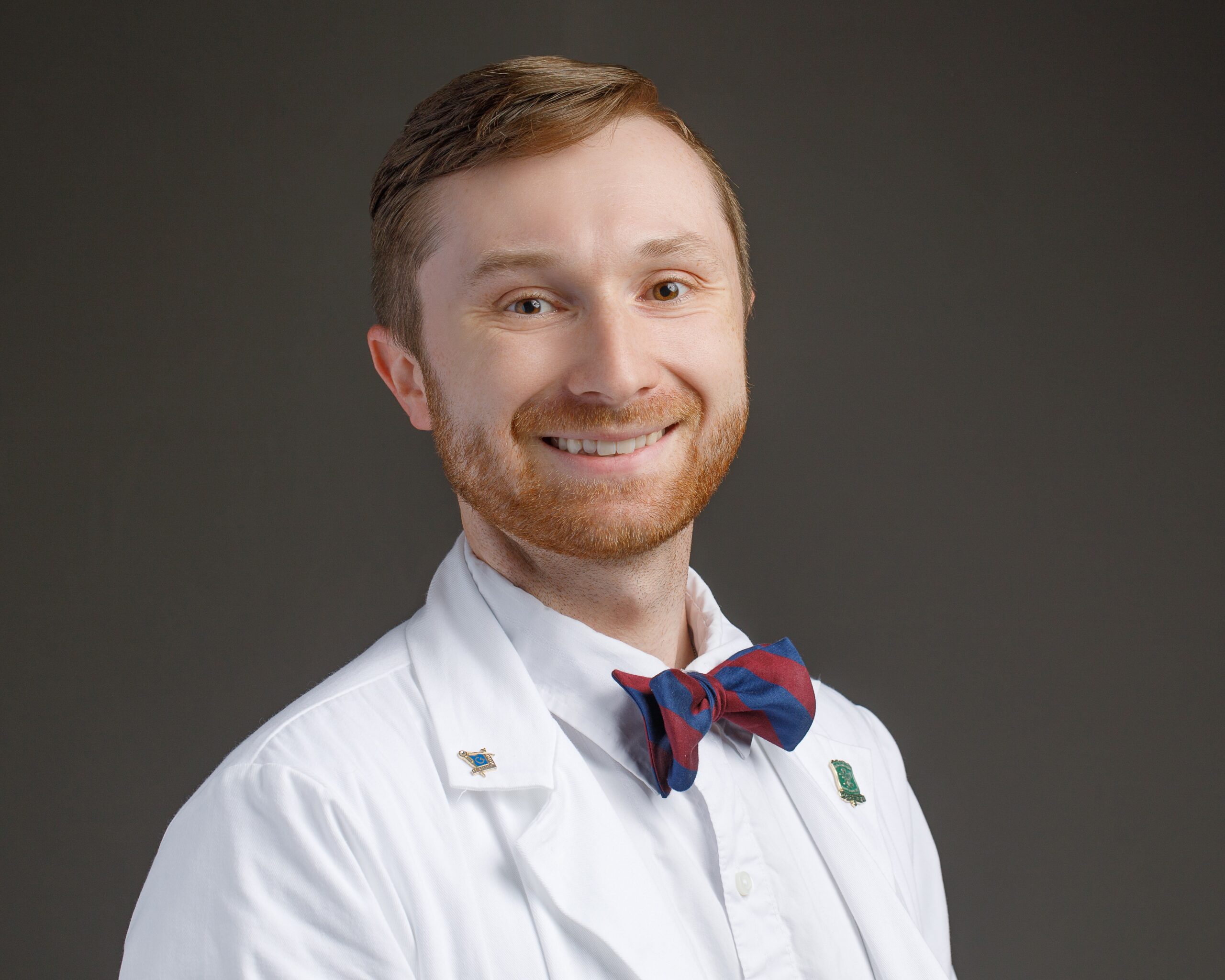
“AAHPM Communities have given me a true sense of belonging within an inspiring network of professionals who share my passion for compassionate, patient-centered care. Through mentorship, leadership opportunities, and meaningful connections, I’ve grown both personally and professionally.”
–Brett Prestia, Yale New Haven Health, New Haven, CT
Community Types
Special Interest Groups (SIGs)
Special Interest Groups (SIGs) connect AAHPM members who share a focused clinical, professional, or research interest in hospice and palliative care. These member‑driven groups support discussion, idea sharing, and collaboration on topics that directly impact your work. Each SIG typically includes 4% or more of AAHPM’s total membership, offering a robust and active peer network.
Cancer and Cancer Treatment – interdisciplinary community that focuses on issues at the interface of cancer care and palliative and hospice care and serves as a forum to network and advocate to positively influence these areas for the benefit of patients, families and clinicians.
Early Career Professionals – focuses on education, networking and careers, and involvement with fellowship program development as a part of the practiced development of professionals in training in the field of palliative medicine.
Education – provides a community for networking, identifying and sharing resources, and collaborating with those that share a passion for and interest in hospice and palliative medicine education. This SIG supports all aspects of HPM education including supporting HPM fellowship program directors in their endeavors to train and nurture capable, professional HPM trainees.
Emergency Medicine – disseminates awareness and knowledge to other emergency medicine practitioners and those interested in supporting patients with serious illness that present to the emergency department at the generalist level and subspecialty levels.
Ethics – focuses on ethical issues particular to the delivery of palliative and hospice care including examining and influencing ethical decisions around care.
Global – aims to connect, inspire, and mobilize individuals who are passionate about seeing access to palliative care expanded globally through sustainable, culturally appropriate models of care delivery.
Heart Failure – strives, through promoting dialogue, education and research, to improve both symptom management and compassionate, goal-oriented care for people living with advanced cardiac disease. This SIG also seeks to identify (and surmount) hurdles to the implementation and the evolution of high-quality hospice and palliative care services for this patient population.
Humanities and Spirituality – promotes a holistic, integrative approach to palliative medicine that acknowledges cultural, spiritual and psychosocial aspects of care of patients, families and caregivers.
ICU – explores and publicizes the unique needs of ICU patients and families and facilitates networking between palliative medicine providers with a specific interest in ICU patients and critical care.
Integrative Medicine – promotes evidence based educational and research collaborations and develops best practices to serve the wellbeing of patients and practitioners while cultivating the values and goals of integrative medicine.
LGBTQI+ – works to improve the experiences of LGBTQI+ patients in palliative care settings by promoting patient outreach, patient advocacy, education and research and provides a supportive infrastructure for faculty development among LGBTQI+ identified palliative care providers.
Long-Term Care &Geriatrics – promotes education and creates opportunities for hospice and palliative care clinicians to network, share expertise and advocate for potentially underserved and vulnerable geriatric populations in long-term care settings.
Neuropalliative – intends to inspire and encourage the exchange of knowledge and experiences, establish best practices, and foster collaboration amongst neurologists, geriatricians, primary care providers, and hospice and palliative care providers to advance clinical care, education and research in hospice and palliative medicine.
Outpatient Palliative Care – advocates in the palliative care and medical community for issues that are germane to the field and fosters communication between interprofessional outpatient palliative medicine providers.
Primary Care – supports, develops and explores the systematic delivery of basic palliative care in primary care practices through education, advocacy, research, and leadership.
Program Leaders – provides a forum for hospice and palliative medicine program leaders to discuss their administrative responsibilities and advance their program mission. Opportunities to discuss and share ideas for benchmarking, problem solving and to give mutual support for these leaders will promote the development of the field and help these leaders advocate effectively for palliative care programs and their faculty.
Psychosocial and Mental Health – allows for interfacing and synergy among the psychosocial care practitioners, promotes the field to other psychosocial care practitioners, assists with navigating the role of providing psychosocial care in hospice and palliative care settings.
Research – provides opportunities for researchers to network, build research collaborations, share strategies for designs, research funding, and the application of research findings to practice.
Rural & Urban Underserved– focuses on the hospice and palliative care needs of underserved patient populations and the professionals who serve them. The aim of this SIG is to provide tailored opportunities for discussion, education, advocacy, and innovation around the wide variety of issues impacting serious illness care in our most vulnerable communities across rural, semi-rural, and urban settings.
Substance Use Disorder – promotes research into issues related to substance abuse and diversion in the palliative care and hospice population, share information and experience regarding the treatment of patients who are affected by these issues, and help develop policies and procedures for hospices and palliative care programs.
Surgical and Perioperative Care – improves the trajectories of care of patients with problems that may be treated with intervention or surgery, through interdisciplinary efforts geared toward better symptom management, goal-oriented decision-making, and appropriate utilization of advance directives.
Veterans – serve as a forum for education, advocacy, and collaboration; their mission is to improve the care of veterans in all settings and provide education about the unique care needs of veterans.
Forums
Forums provide space for more niche or emerging topics in hospice and palliative care, allowing AAHPM members to exchange ideas, ask questions, and learn from peers with shared interests. Each forum typically includes at least 2% of the total AAHPM membership, offering meaningful peer engagement in a more focused setting.
Accessibility, Disability, and Inclusion in HPM – To create an inclusive space for providers who care for patients with disabilities to connect, share experiences, troubleshoot challenges, and build a supportive community. This group aims to advance research and best practices for patients with all types of disabilities: physical, emotional, learning, focus-related, or any other form. We define disability broadly to foster trust and understanding of those who don’t fit the typical mold. This space is also for professionals with disabilities to find mentorship, share professional advice, and support each other.
Early Investigators – provides a critical opportunity for peer support, collaboration, and development among early career researchers in the hospice and palliative medicine field.
East and South Asian Professionals, Patients, and Families in HPC – discuss and further stimulate interest in issues that affect caregivers, patients, and families from East and South Asian communities by exploring strategies to provide easy access and high-quality care.
Grief, Bereavement, and Resiliency – supports the workforce by studying how to manage caregiver grief and bereavement and study effective ways of promoting resilience for which we have insufficient data.
Latino Professionals, Patients, and Families in HPC – works to improve the overall distribution of hospice and palliative care services to the Latino population in the United States by advocating and providing education and resources to colleagues, encouraging research in this realm, and providing a safe, nurturing environment to those clinicians providing hospice and palliative care to this community.
Richard Payne Black Professionals, Patients, and Families in HPC – works to diversify and grow the membership of the subspecialty, through educational efforts to increase the number of Black medical professionals choosing to practice/provide hospice and palliative care.
Safe Use of Psychedelic-Assisted Therapies – engages clinicians and researchers in exploring the potential efficacy of psychedelic-assisted therapies to alleviate suffering among people with serious medical conditions. The Forum will consider research priorities, patient selection and exclusion criteria, treatment protocols, training of therapy sessions guides, meaningful outcome measures, as well as regulatory requirements and constraints.
Sustainable Practice & Wellbeing – To support professional wellbeing by providing practical, real-time strategies for self-care, fostering connection, and sharing evidence-based strategies that support sustainable practice at individual, organizational, and national levels.
Telehealth and Technology – facilitate insightful discussions, create and share best practices surrounding telehealth, partner for research projects and exchange ideas around how digital health tools, artificial intelligence, and other innovations can be implemented in HAPC.
Councils
AAHPM Member Councils bring together professionals who work in similar practice settings to share insight and provide guidance on key Academy initiatives. These councils strengthen connection, engagement, and representation across AAHPM’s diverse membership. Established by the AAHPM Board of Directors, Councils support active participation in the Academy and represent three of AAHPM’s largest constituent groups.
Academic Palliative Medicine – work through the Academy governance structure to ensure that issues and programs important to academic palliative medicine physicians are addressed and developed. The APM Council will foster and build meaningful communication, connection, and collaboration among academic palliative medicine professionals, expand and develop opportunities for physicians to further engage within the Academy, and identify and develop resources for academic palliative medicine physicians.
Hospice Medicine – work through the Academy governance structure to ensure that issues and programs important to hospice physicians are addressed and developed. The HM Council will foster and build meaningful communication, connection and collaboration among hospice professionals, expand and develop opportunities for hospice physicians to further engage within the Academy and identify and support resources for hospice physicians.
Pediatric – work through the Academy governance structure to ensure that issues and programs important to pediatric members are addressed and developed. The Peds Council will further develop advocacy for ongoing concurrent care in pediatrics, quality improvement and research initiatives, and pediatric educational priorities in HPM training.
Discussion Groups
Discussion Groups on AAHPM Connect provide space for members to engage in ongoing conversations, ask questions, and access shared resources focused on a specific topic in hospice and palliative care. Each group is supported by a Discussion Group Facilitator who helps guide dialogue and serves as a point of contact for AAHPM staff.
Fellowship Directors – To provide a dedicated forum for Program Directors and Associate Program Directors to exchange innovative strategies, navigate complex landscapes, and collaborate on elevating the standards of graduate medical education through shared expertise.
Medical Aid in Dying – provides members with a source of reliable clinical information regarding this end-of-life option.
Osteopathic – promotes collaborative professionalism with the AOA and provides information to physicians who wish to advance their palliative medicine specialization.
Pharmacotherapy – works to investigate and promote the safe and effective use of pharmacotherapy interventions for patients with advanced illness. This includes encouraging the investigation of data that will continue to grow our evidence base, and to provide education to members and professionals in the hospice and palliative care field on appropriate medication use.
Physician Assistants – PAs in palliative care work alongside other disciplines to focus on improving quality of life by giving comprehensive care to the persons and families that they serve.
Pain Care – a group for the hospice & palliative care community to improve education, advance advocacy and provide clinical guidance for evidence-based pain care, thereby better serving patients and their families facing pain as part of serious illness while navigating a steadily evolving health care environment.
Sickle Cell – dedicated to advancing the integration of palliative care across the lifespan for individuals living with sickle cell disease — promoting equitable access to expert pain management, psychosocial support, and goals-of-care conversations.
AAHPM Connect

AAHPM Connect is the Academy’s online community platform and one of the most valuable benefits of membership. It gives you direct access to Special Interest Groups, forums, councils, and discussion groups where you can ask practice‑based questions, share expertise, access shared resources, and build meaningful connections with colleagues nationwide.
How to Join a Community
AAHPM members can easily join communities through their AAHPM member profile account and begin networking, sharing ideas, and connecting with peers. You may join as many communities as you like!
- Log in to your AAHPM account on the AAHPM website (not AAHPM Connect).
- Select My Account in the top‑right corner of the page.
- Click My Communities from the left‑hand menu.
- Check the box next to each community name you’d like to join.
- Click Save to confirm your selections.
Once you’ve joined, you’ll be automatically added to the corresponding AAHPM Connect communities within 20 minutes.
Questions? Contact Member Services at [email protected].